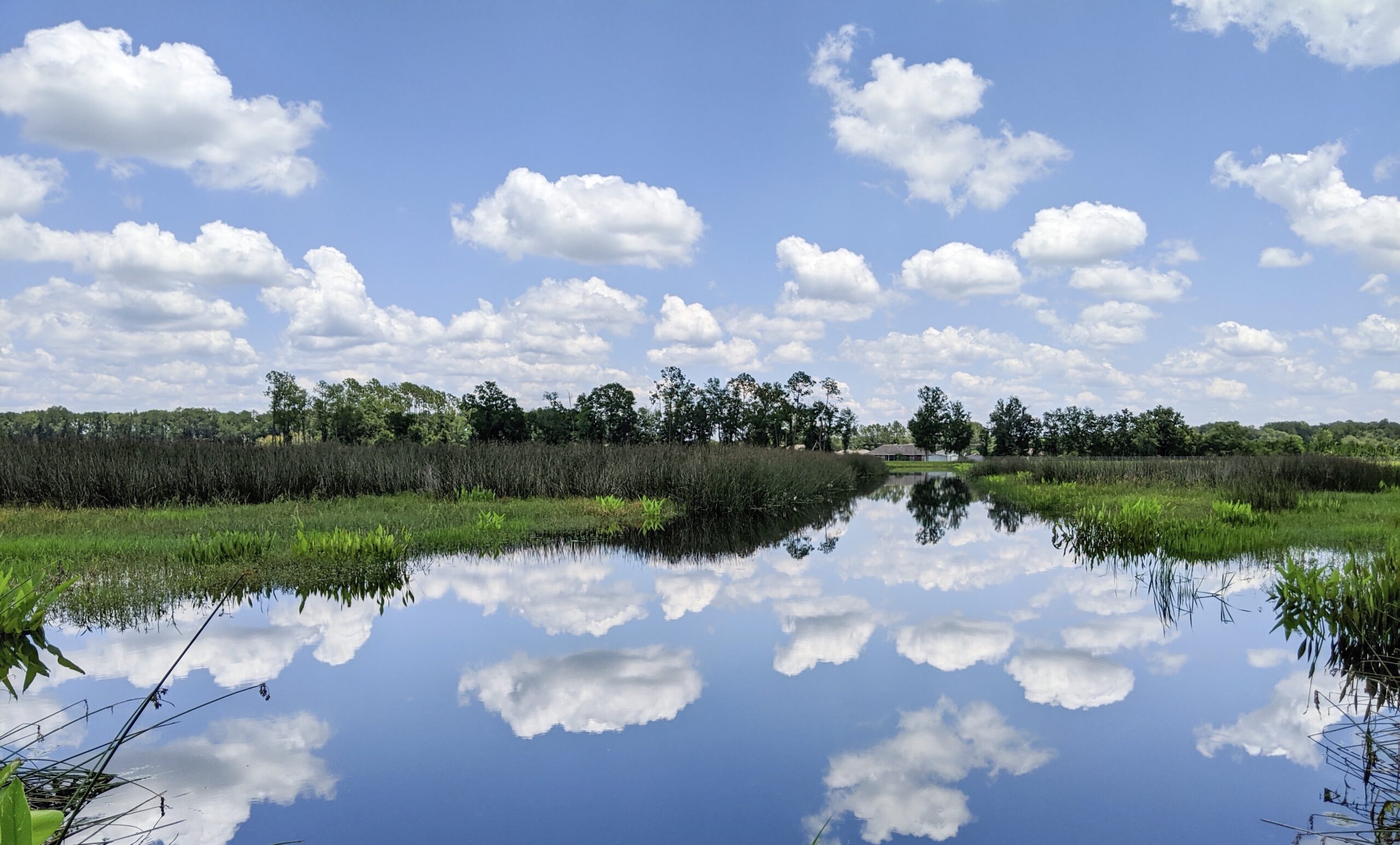
Lake City Treatment Wetland – City of Lake City
WSI has conducted water quality sampling at the Lake City Treatment Wetland since normal operations began in February of 2017 for the SRWMD (2017-18) and the City of Lake City (2018-present). This sampling has focused on nutrients and field parameters which have been collected at each of the cell-to-cell flow structures to evaluate wetland performance. Additionally, WSI installed and has maintained water level recorders at ten locations since project operations began to track water levels in each cell. This data collection has supported development of nutrient treatment performance for nitrogen and phosphorus.
WSI also developed and has maintained a cell-by-cell and site-wide water balance to track inputs from inflow and rainfall, and losses to evapotranspiration and infiltration. Field parameter collection (dissolved oxygen, specific conductance, and pH) has captured the maturation of the plant community and shift from algae and floating aquatic plants to emergent plant communities. This performance data has also provided information that can describe the project’s performance and success to the public, organizations, and regulators. More recently, sampling has been expanded to include primary and secondary water quality parameters to support permitting for modifications at the wetland to increase recharge.
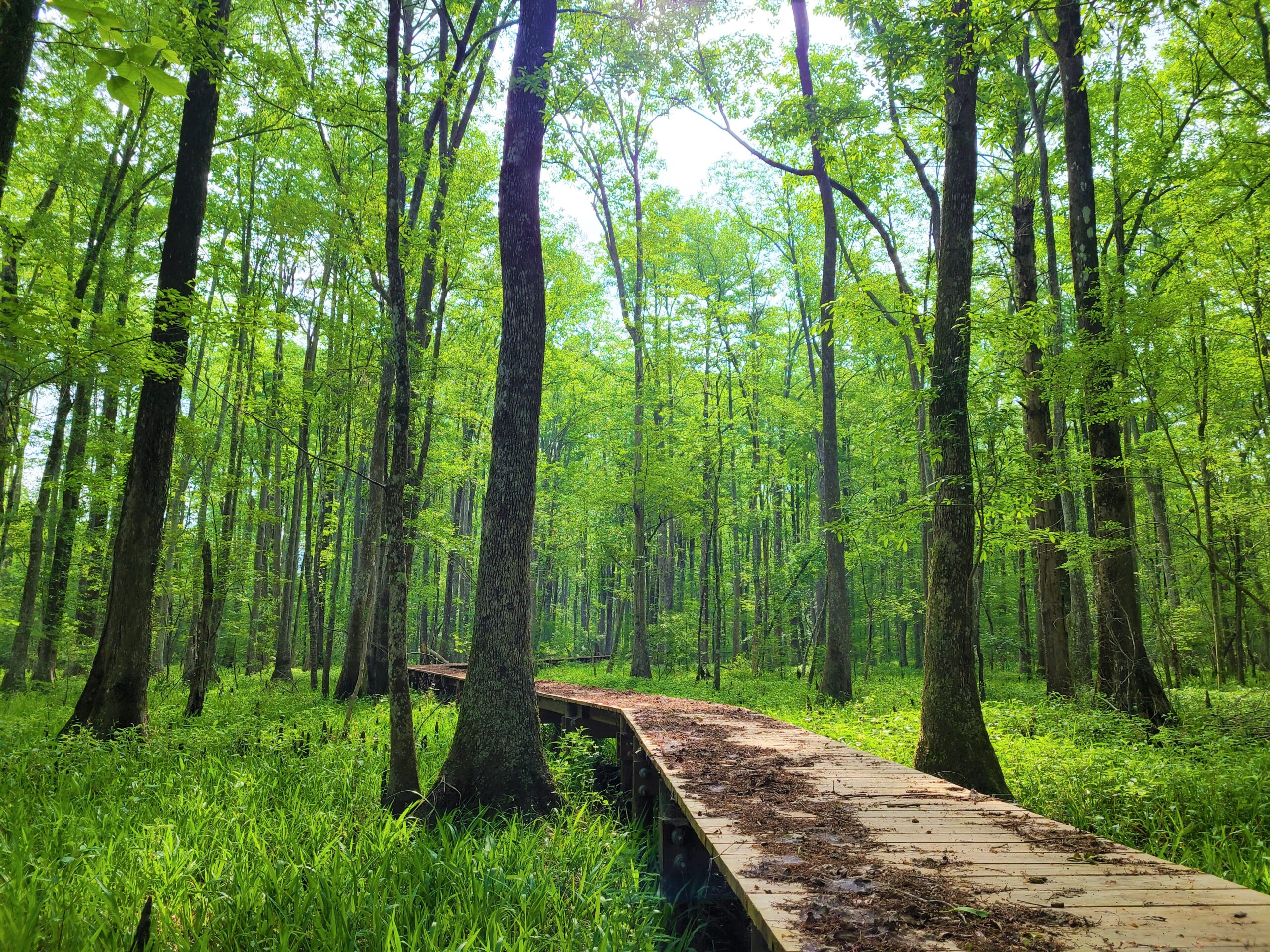
Great Swamp Effluent Management System – Beaufort-Jasper Water & Sewer Authority
Since 2000, WSI has conducted water quality and biological monitoring for the BJWSA Great Swamp Effluent Management System (GSEMS), a large-scale, natural, forested wetland treatment system (480-ac). WSI staff developed and implemented the monitoring program that includes water quality sampling; stream discharge measurements; surface water levels; quantitative herbaceous and canopy vegetation measurements; fish and benthic macroinvertebrate sampling; and qualitative sampling for herpetofauna, birds, and other wildlife. The monitoring program was developed and implemented to assess compliance with South Carolina’s biological criteria related to effluent discharges to natural wetlands. WSI also prepares annual monitoring reports for submittal to the South Carolina Department of Health and Environmental Control. WSI has led to planting additional bare-root seedlings for the past decade to improve the cover of hydrologically adapted tree species. This project was expanded to increase the discharge capacity at an adjacent parcel (+580-ac). WSI led baseline monitoring efforts and assisted in permitting for this project site and the design layout. This project has since been constructed and WSI has been providing ecological monitoring to document project performance and satisfy permitting requirements.
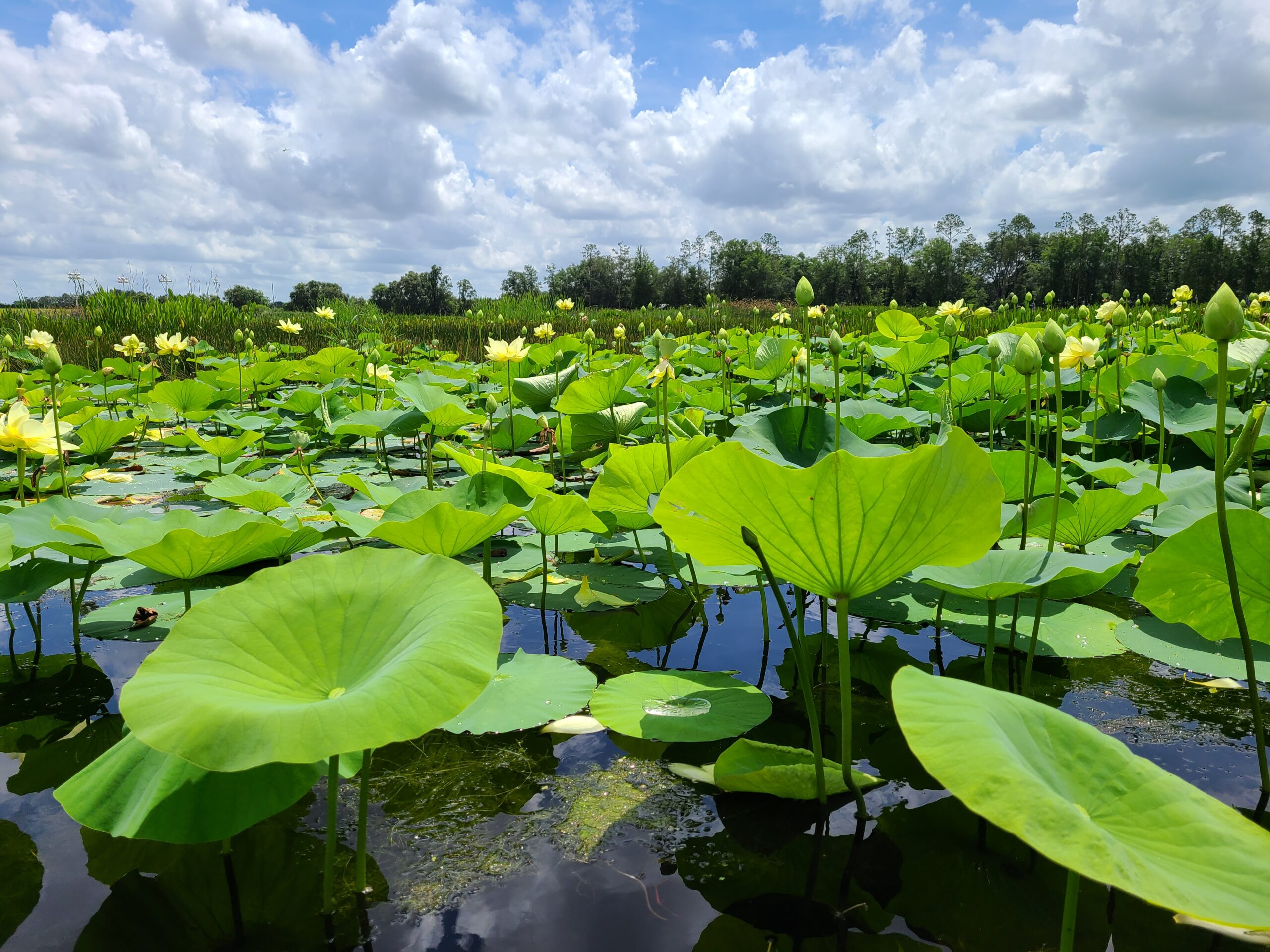
Sweetwater Branch/Paynes Prairie Sheetflow Restoration Project – Gainesville Regional Utilities
The tasks performed by WSI included development of recommended allowable nutrient levels for discharge; conceptual layout for a multi-compartment treatment wetland that will provide operational flexibility and facilitate access for public recreational activities; calculation of existing nutrient and pollutant loads delivered to Paynes Prairie from the Sweetwater Branch watershed; calculation of maximum flows that could be diverted from Sweetwater Branch to the enhancement wetland that would maintain compliance with the proposed downstream nutrient levels; estimation of nutrient assimilation that will naturally occur within the Sheetflow Restoration Area (1,300 acres) such that average background nutrient levels (estimated at 1.4 mg/L total N and 0.1 mg/L total P) would be achieved before the sheetflow water reaches Alachua Sink; vegetation planting plans for emergent marsh, tree islands, and forested slough systems; environmental permitting; wetland jurisdictional assessment; UMAM analysis; presentations at public meetings; and environmental and wetland data collection for support of the project Environmental Resource Permit. WSI also provided construction oversight related to final cell grading, water control structure installation, cell hydration, wetland planting, and start-up operations.
Lake Annie Feasibility Study
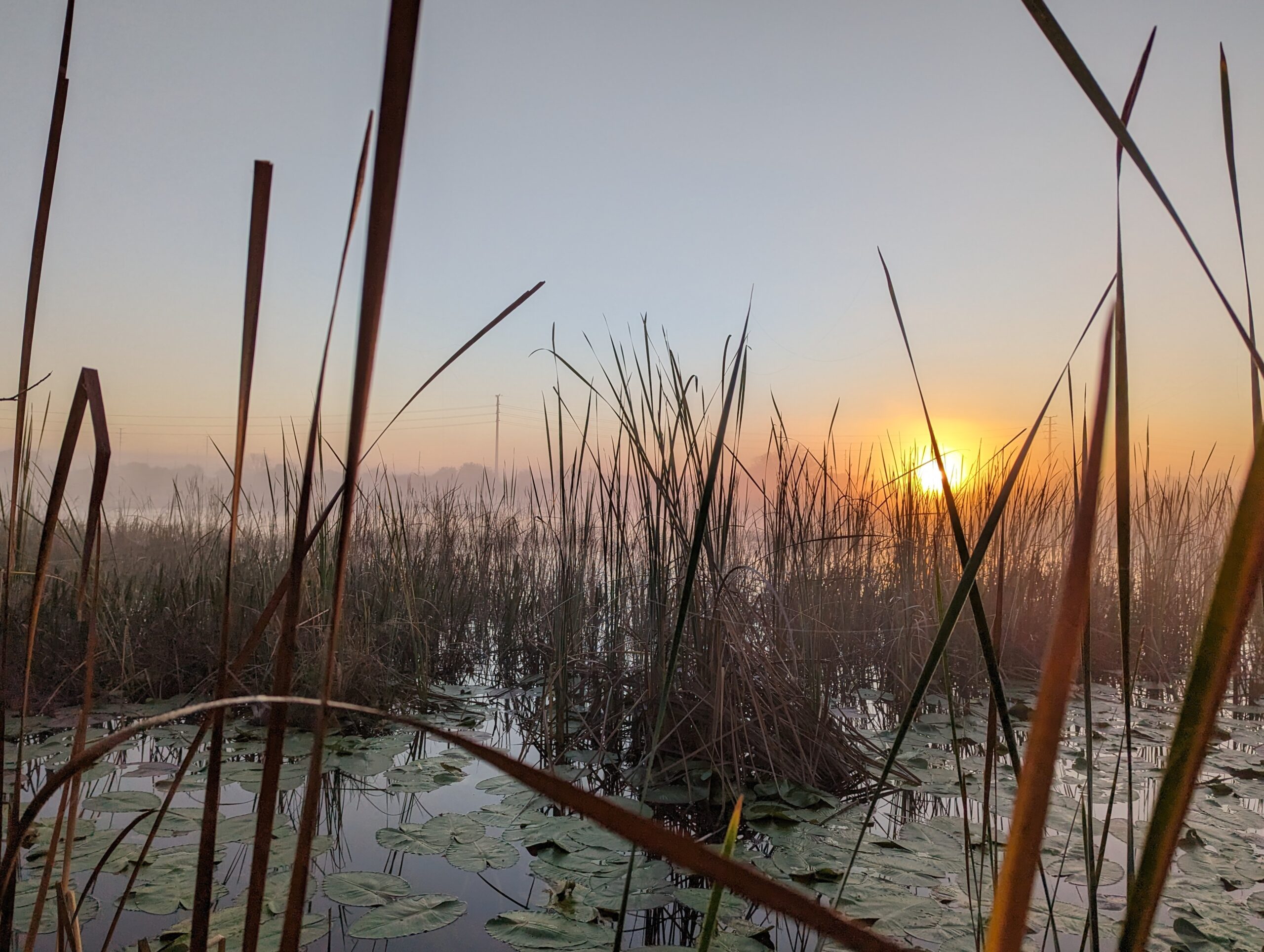
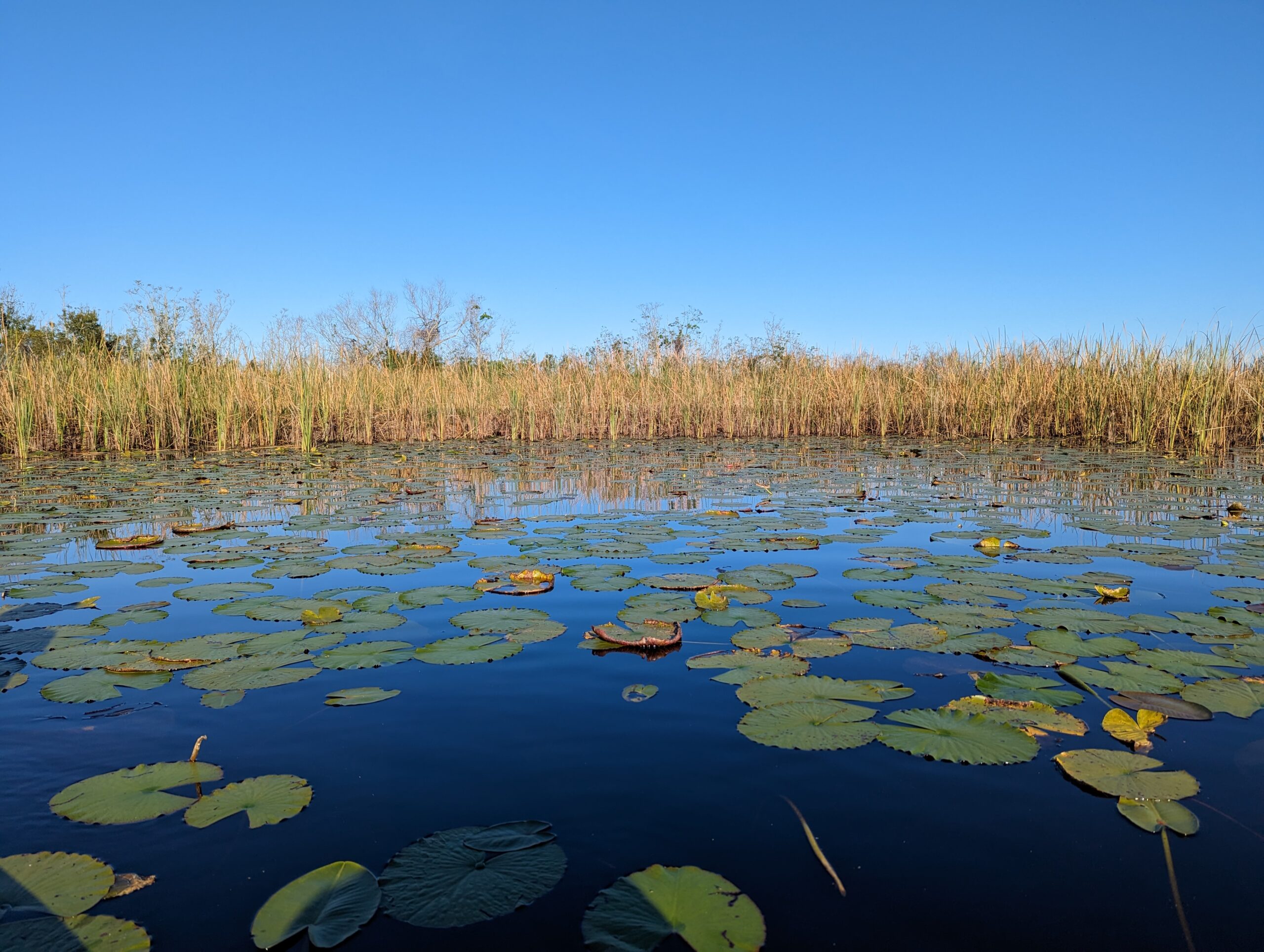
WSI, in partnership with Dewberry| Hydro, collaborated with the Polk County Parks & Natural Resources Division to conduct a feasibility study for diverting flow from the Peace Creek Canal to Lake Annie through a newly created wetlands area. This initiative aimed to improve the quality of water and enhance the habitat. The project area is situated south of Dundee, in west-central Polk County.
WSI assisted with various aspects of the project, including water quality and sediment sampling, flow monitoring, hydrologic model development, and conceptual plans for the restoration area. WSI worked in close coordination with Polk County to collect water quality samples from Lake Annie, Peace Creek Canal, and the proposed restoration site.
WSI played a significant role in developing the hydrologic model for the proposed restoration area. Using the model results, the team evaluated the pollutant loads for total phosphorus, total nitrogen, and total suspended solids for the existing and proposed conditions. Additionally, WSI developed two conceptual plans for the restoration area comprised of 118 acres and 209 acres of enhanced and created wetlands, respectively. The alternatives were designed to improve the water quality in flows from the Peace Creek Canal. The alternatives analysis included various data, such as water quality and sediment sampling results, water quality benefits, the effect on hydrology with respect to adopted Minimum Flows and Levels, opinions of cost, habitat enhancement opportunities, potential for passive on-site recreation, and regulatory feasibility.