Featured Aquatic Ecology Studies
Kingswood Lake Water Quality Improvement Evaluation
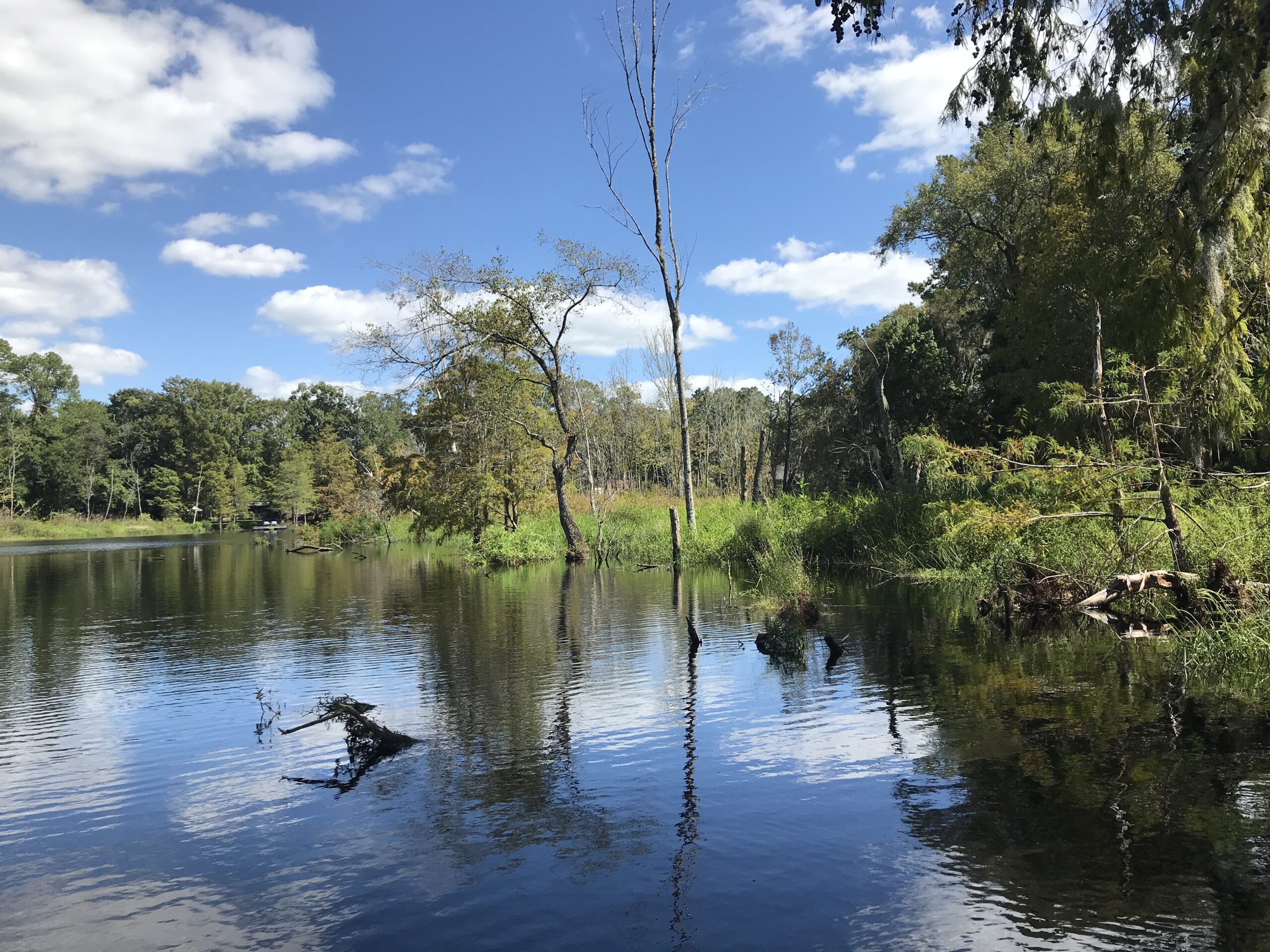
WSI conducted a site assessment, nutrient budget estimates, and water quality improvement alternatives analyses for Kingswood Lake (9.2 acres) located in Gainesville, Florida. Historical water quality data show that nutrient concentrations and transparency have varied, but data collected between 2012 and 2018 showed a dramatic increase in total nitrogen and total phosphorus concentrations and a corresponding decrease in light transparency as measured by secchi disk. WSI evaluated if installation of a sediment trap would be expected to improve the lakes water quality. The City was also interested in developing a list of other potential projects that could be implemented to reduce external nutrient loads such as abandonment of septic systems and connecting to the central sewer, cessation of fertilizer use, restoration of the lake’s littoral zone, aeration and stormwater treatment.
WSI recommended further study to identify the origin of the nutrient-rich lake sediments and to determine the most cost-effective water quality protection strategy. Future recommended data collection activities included the following: Install monitoring equipment to track long-term surface water elevation changes, Map lake sediment thickness, Evaluation of lake sediment chemistry, and Collect water and sediment quality samples from the existing stormwater outfall during several rainfall events.
Ichetucknee Springshed Water Quality Improvement Monitoring (Lake City Wetland)
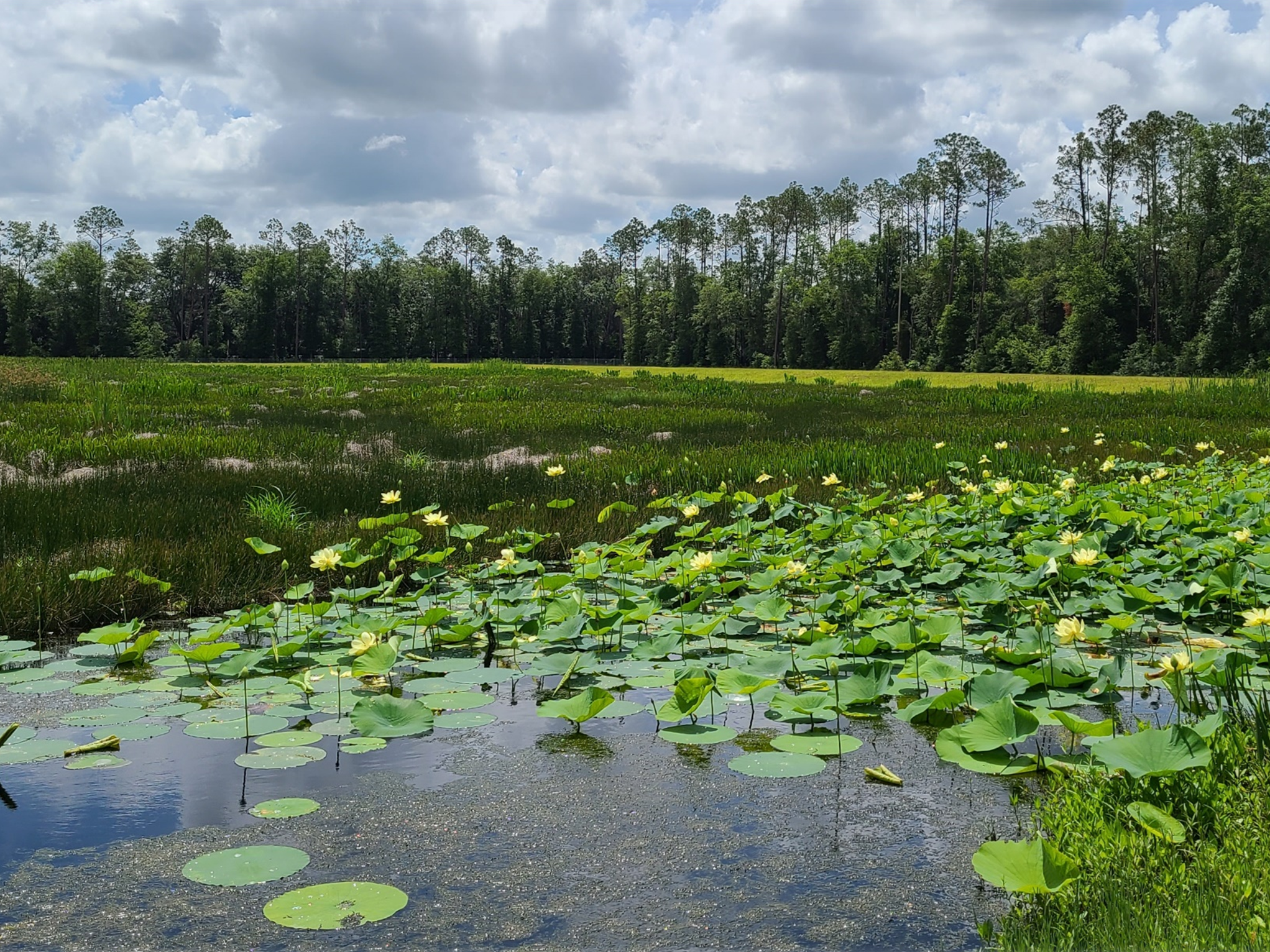
Since inception, WSI provided design services, treatment performance modeling, and planting oversight for the project. WSI also developed the Operation and Maintenance Manual (O&M) for the wetland. WSI worked with the City and Suwannee River Water Management District (SRWMD) to address problems during wetland vegetation planting. This resulted in the planting contractor replacing large numbers of plants that did not achieve the required survival. During the first year of operation, WSI provided the City’s operators with a treatment wetland class, technical oversight and recommendations, and water quality monitoring and reporting. Based on WSI’s continued involvement in the project, the City and WSI have identified project improvements to streamline operations and reduce operational costs, while providing enhanced water quality and water quantity to the aquifer and associated springs. The continued efforts of the City and WSI have led to the Lake City Wetland being viewed as the premier example of a successful FDEP Springs-Funded project by both the SRWMD and FDEP. Additionally, this is one of the only projects that has collected and reported long-term monitoring data to demonstrate project success.
Lower Withlacoochee River Monitoring
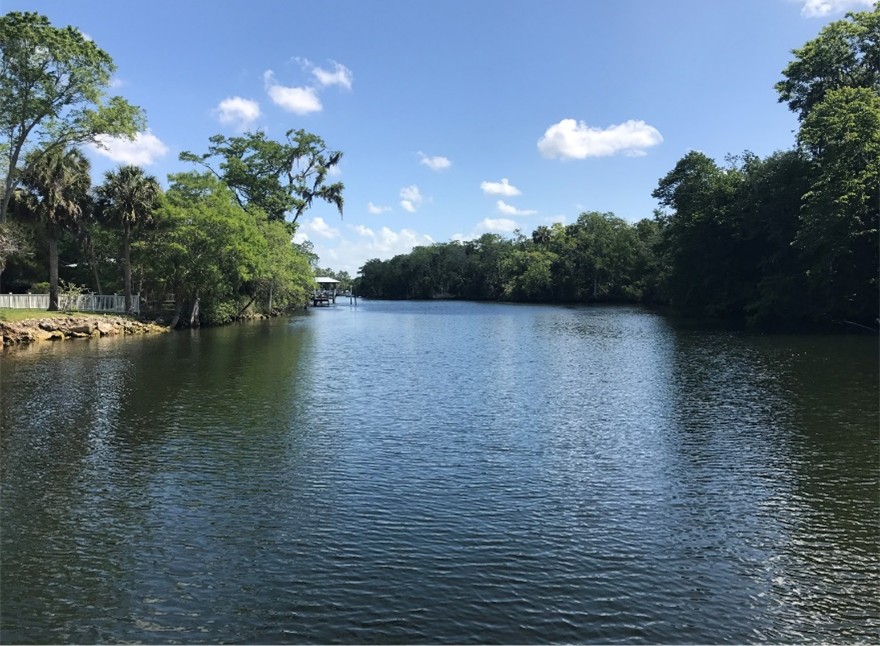
WSI developed a comprehensive monitoring plan for the Lower Withlacoochee River including collection of water quality samples, discharge measurements, long-term deployment of water quality sondes, and sediment sampling. The SWFWMD and FDEP both partnered on this project providing field assistance (SWFWMD) and laboratory analysis (FDEP). A variety of samples were collected over a 24-month period at seven stations to support development of a restoration plan for the Lower Withlacoochee River. Sampling included measurement of light attenuation, bathymetry, long-term field parameters from data sondes, flow measurements using an ADCP and the moving-boat method, water quality samples, and sediment samples. This data collection effort was modified early in the study to add two stations to better define water quality upstream of Lake Rousseau and upstream of the Rainbow River.
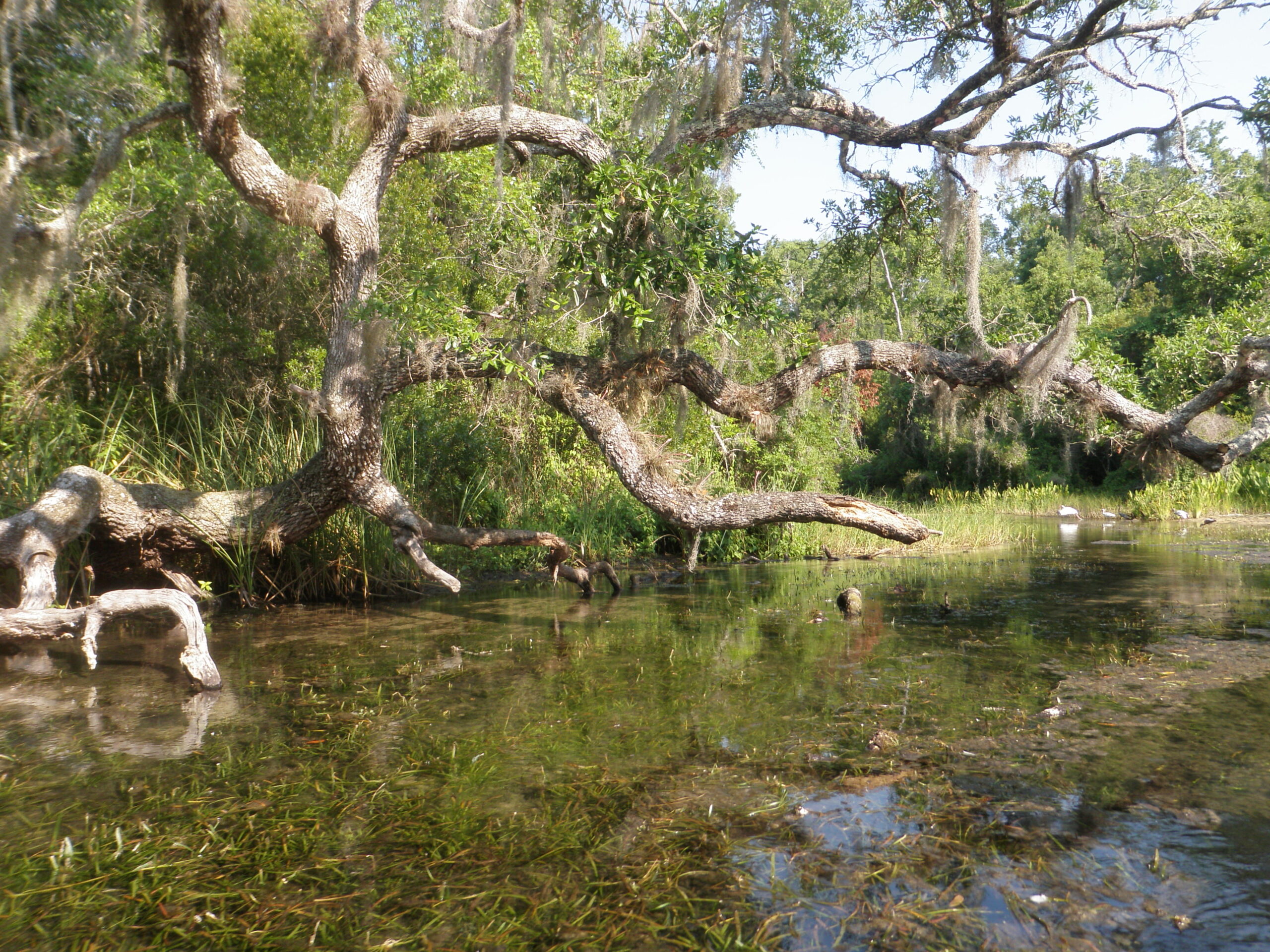
Gum Springs Flow Diversion Study: Whole Ecosystem Metabolism Study – SWFWMD
To support the development of the SWFWMD’s Minimum Flow and Level (MFL) for Gum Slough, WSI provided ecological monitoring and data analysis for ecosystem metabolism. Four spring run segments were established for monitoring. WSI conducted site reconnaissance to select sampling stations, install data sondes, and qualitatively characterize each study segment. WSI conducted upstream/downstream metabolism measurements at each segment. Each segment received two weeks of continuous monitoring (30-minute intervals) bi-monthly over a period of six months. WSI also measured light transmission and oxygen diffusion rates in each segment. WSI prepared a summary report that included calculated hourly rates of gross primary productivity, net primary productivity, community respiration, and photosynthetic efficiency. Data were analyzed to investigate significant relationships between dependent variables (community metabolism) and independent variables (physical, chemical, and biological variables), and to investigate differences between segments and temporal responses.